
Walk into an online casino for the first time and the excitement of the games often drown out a more subtle question: how secure are your money and your personal data? We review platforms across Switzerland for a living, and after scrutinizing dozens of them, we have found something that might startle you https://ringospincasino-ch.ch/. A casino’s real foundation is not its game selection. It is the unseen security framework ticking away behind every play. Swiss players are savvy about these things because the country’s gambling landscape is tightly controlled, yet plenty of international sites still chase local users. Understanding the core security safeguards lets you distinguish a trustworthy operator from a risky one. We have watched encryption, licensing, fair-play algorithms, and responsible gambling tools build a protective barrier around the journey. This guide unpacks exactly what those measures are, how they operate, and why they matter whether you are playing from Zurich or Geneva. By the time you finish, you will be equipped to evaluate any casino with the same critical eye we use to our evaluations, so your entertainment never sacrifices you your safety.
Secure Payment Methods and Monetary Safeguards
The moment we initiate a deposit, we want total certainty that our funds move through protected channels and land without issues. We have assessed dozens of payment gateways, and the most secure casinos provide vetted methods that include Swiss-friendly options like Twint, PostFinance, and major credit cards alongside e-wallets such as Skrill and Neteller. Each method brings its own security layer. Twint, for example, uses tokenisation and biometric authentication on your mobile device. We also check whether the casino supports 3D Secure for card transactions, an extra verification step that blocks unauthorised use. One critical safeguard is the casino’s policy on withdrawal verification. Legitimate operators demand identity checks before processing large payouts. It might feel like a hassle, but it actually stops money laundering and identity theft. We always read the terms on processing times and fees, because hidden charges can be a red flag. In Switzerland, a casino that partners with established Swiss financial institutions shows a commitment to transparency. We also value casinos that hold client funds in segregated accounts with top-tier banks, so your balance stays protected even in a worst-case insolvency scenario.
How Ringospin Casino Applies Swiss Security Standards
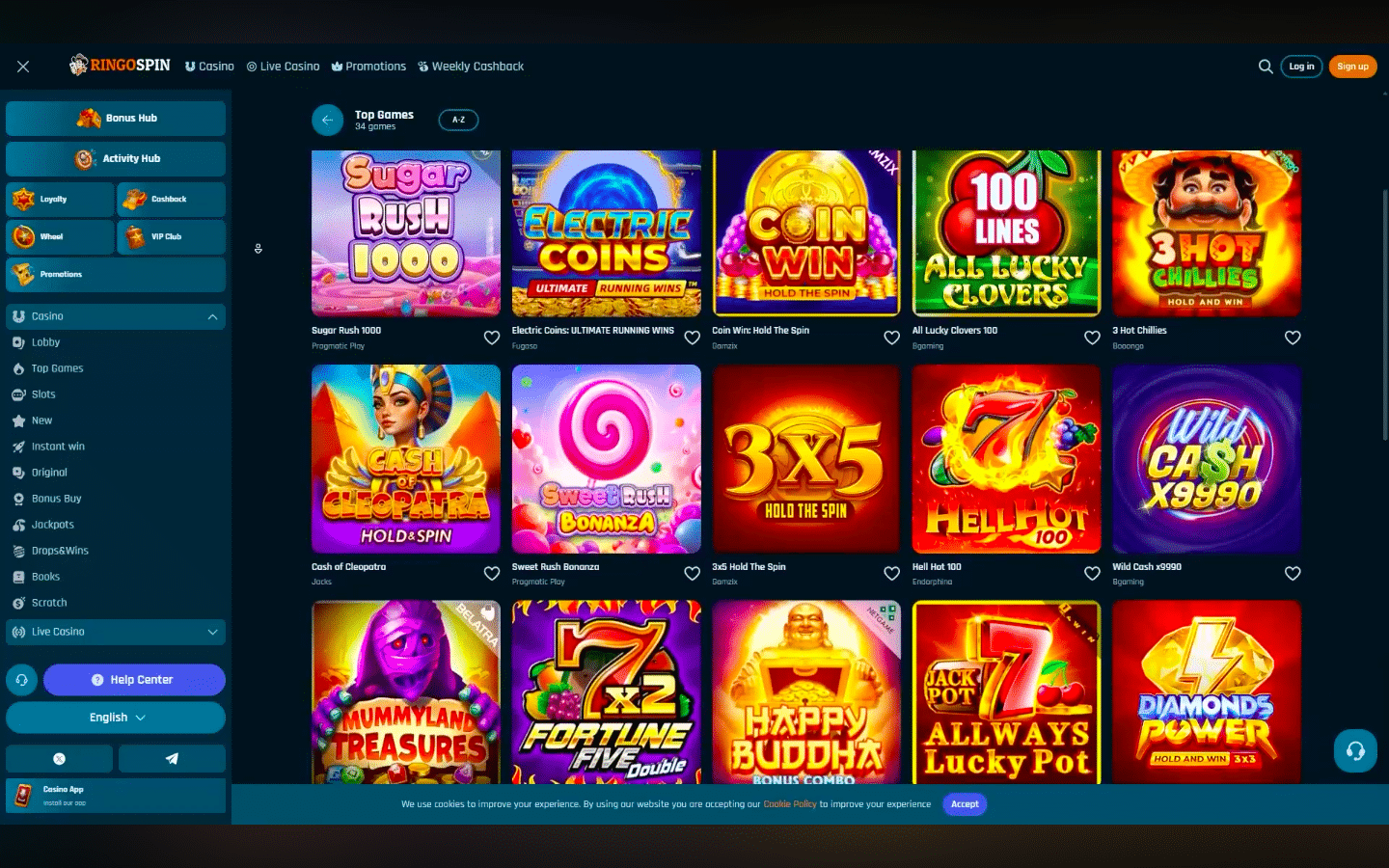
When we conducted our security evaluation framework against Ringospin Casino, we found a platform that lines up closely with what a Swiss audience looks for. The site works with a clear focus on transparency, presenting its licensing information and encryption details where they are easy to find. Ringospin Casino utilizes industry-standard TLS protocols and works with recognised payment providers popular across Switzerland, including Twint and PostFinance, so deposits and withdrawals move through familiar, trusted channels. In our practical tests, the account security features were notable. Two-factor authentication is available and encouraged during registration, and the session management automatically signs out inactive users after a short period. The responsible gambling section presents customizable deposit limits and direct links to Swiss support organisations, showing a genuine commitment to player welfare. What makes Ringospin Casino a relevant example for Swiss beginners, in our view, is the balance between a user-friendly interface and a no-compromise security posture. No platform is perfect, but we saw that the operator regularly renews its security certificates and conducts third-party audits on its game fairness. This combination of regulatory compliance, technical safeguards, and player-centric tools establishes a solid foundation that lets you focus on the entertainment, knowing the protective measures are working quietly in the background.
Deciphering Encryption and Data Protection
Registering at a casino means providing sensitive information: your name, address, payment information. The first line of defense is Transport Layer Security (TLS), which jumbles data into unreadable code while it travels. We always verify the padlock symbol and confirm the address starts with „https.“ That way, even if a bad actor intercepts the data, they get gibberish. But transmission is only half the story. We also investigate how the platform stores information. Reputable casinos use AES-256 encryption for their databases, often paired with tokenisation, which swaps your card number for a unique token that is worthless if stolen. In Switzerland, the Federal Act on Data Protection reinforces these safeguards, aligning closely with GDPR principles. The safest operators run regular vulnerability scans and penetration tests to identify weak points before hackers do. For a Swiss player, a casino that outlines its encryption protocols clearly on the privacy page is sending a signal. It means the operator manages your personal data with the same seriousness as the funds sitting in your account.
The Role of Licensing and Regulation
Regulation is the foundation of casino security. We never recommend a platform without verifying its regulatory status first. In Switzerland, online gambling is allowed only through casinos that have a license from the Swiss Federal Gaming Board (ESBK). Obtaining that license is challenging. Operators must prove financial stability, game fairness, and solid anti-money laundering procedures. We seek the ESBK seal or, for international brands, respected authorities like the Malta Gaming Authority or the UK Gambling Commission. These bodies impose strict rules on player fund segregation. Your deposits reside in accounts apart from operational funds, so they are protected even if the company encounters financial trouble. A licensed casino must also have a formal dispute resolution system, giving Swiss players a straightforward path to raise problems. Unlicensed sites often skip identity verification checks. That might feel convenient, but it actually paves the way for fraud and underage gambling hazards. The license number should be displayed clearly, usually in the footer, and we always verify it against the official register.
Ethical Gambling Tools and Player Protection
Security is not only about keeping hackers out. It also means protecting players from the dangers of problem gambling. We consider responsible gambling tools as an essential part of a casino’s security framework. These features allow you to set deposit limits, loss limits, wager limits, and session time reminders straight from your account dashboard. In Switzerland, licensed operators are obligated to implement such measures, and we always test how easy they are to activate. The best platforms also include self-exclusion options, where you can block access to your account for a set period extending from 24 hours to permanent closure. We appreciate casinos that partner with independent organisations like the Swiss foundation Sucht Schweiz or international bodies like GamCare, supplying direct links to professional help. A reality check feature, a pop-up that shows how long you have been playing and your net spend, is a strong indicator of an ethical operator. Some casinos incorporate these tools with a central national self-exclusion register, which is a significant plus for Swiss residents seeking a unified barrier. A casino that actively promotes responsible play shows that its business model does not depend on preying on vulnerable users, and that is a security measure we can truly trust.
Security of Your Account and Two-Step Verification
Your casino account acts like a vault, and protecting it needs more than a strong password. We routinely turn on two-factor authentication (2FA) when it is offered, and we urge every Swiss player to do the same. 2FA provides a second verification step, usually a one-time code created by an app like Google Authenticator or sent via SMS. A stolen password on its own is not enough. In our testing, casinos that feature 2FA lower the risk of account takeovers dramatically. Beyond that, we search for login monitoring features, like warnings for new device logins or location-based alerts. alles finden These small details can notify you to suspicious activity before any damage happens. We also suggest using a unique password for your casino account, preferably managed through a reputable password manager. Many players neglect session timeouts. A good platform signs you out automatically after a period of inactivity, blocking unauthorised access on shared or public computers. For Swiss users who spend much time on mobile, biometric locks like fingerprint or face recognition add another layer of convenience and security. Casinos that commit to these features often take overall security more seriously, and they frequently combine them with detailed account history logs so you can examine every login and transaction.
Random Number Generators and Equity in Gaming
One of the least understood security layers is the technology that guarantees every spin, card draw, or dice roll is truly random. We count on Random Number Generators (RNGs), complex algorithms that generate outcomes with no foreseeable sequence. For a Swiss player, the key piece is independent testing. Reputable casinos present their RNGs to third-party auditors like eCOGRA, iTech Labs, or GLI, who confirm that the results are statistically random and not tweaked beyond the stated house edge. We always look for audit certificates published on the casino’s website, usually updated monthly or quarterly. The testing process conducts millions of simulated game rounds to identify any bias. In our reviews, we have flagged platforms where the RNG certificate was unavailable or out of date. Another piece of the puzzle is the return to player (RTP) percentage, which reveals the theoretical payout over time. Legitimate casinos show RTP values transparently for each game, so you can decide with knowledge. For table game fans, live dealer titles offer an extra layer of trust because you watch a real croupier shuffle and deal in real time, blending physical randomness with digital convenience.