
The allure of the casino environment
The atmosphere of a casino is designed to captivate and entice players, fostering an environment that encourages gambling behavior. Bright lights, vibrant colors, and the sounds of coins clinking and machines buzzing create a sensory experience that stimulates excitement. This thrilling ambiance is intentionally crafted to make visitors feel energized and drawn to the gaming tables or slots, often leading them to gamble longer than they originally intended. For those interested in exploring options, no verification casinos can provide a unique opportunity to enjoy games with fewer restrictions. The combination of auditory and visual stimuli heightens anticipation, which is a fundamental element in the psychology of gambling.
Moreover, casinos employ various psychological techniques to enhance this enchanting experience. For instance, the layout of a casino is typically designed to prevent players from easily locating exits, encouraging them to stay longer. This tactic can extend their gambling session, as the longer individuals remain engaged with the games, the more likely they are to invest additional money. Additionally, the strategic placement of high-stakes games near entry points can lure in new players, further amplifying the allure of the casino environment.
The casino’s environment can also serve as an escape from reality for many individuals. For those facing stress, anxiety, or dissatisfaction in their daily lives, the casino offers a temporary diversion where they can immerse themselves in the thrill of the game. This psychological escape can be enticing; however, it also poses risks, as it may lead some individuals to gamble to cope with their emotions or circumstances rather than for entertainment purposes alone.
The role of risk and reward
Understanding the psychology of risk and reward is crucial to comprehending gambling behavior. At its core, gambling is about the potential for gain, which can be profoundly appealing to many. The prospect of winning money, experiencing a rush of adrenaline, and feeling a sense of accomplishment can drive individuals to take risks they would typically avoid in other aspects of their lives. This allure can stimulate the brain’s reward centers, releasing dopamine and creating feelings of pleasure that reinforce the desire to gamble.
The concept of near misses also plays a significant role in gambling psychology. When players come close to winning—such as hitting three symbols in a row but missing the crucial last one—they may feel a heightened sense of excitement, leading them to continue gambling. This phenomenon can create a false sense of hope, resulting in persistent gambling behavior as individuals chase that elusive win, often ignoring the statistical realities of their losses. Casinos are well aware of this psychological trick, and they design games to exploit this tendency.
Additionally, the concept of the ‚gambler’s fallacy‘ further complicates the relationship with risk and reward. This cognitive bias is the belief that past events influence future outcomes. For example, if a player has lost several games in a row, they may convince themselves that a win is „due,“ leading them to place larger bets than they typically would. This psychological misjudgment contributes to the cycle of gambling, as players feel compelled to chase losses, often leading to escalating financial risks.
The impact of social influences
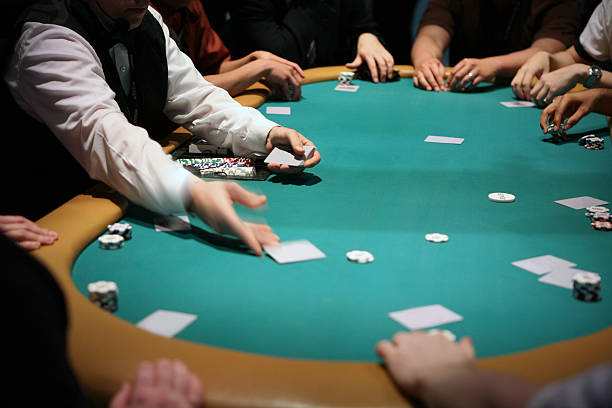
The social aspect of gambling is a powerful psychological factor that affects behavior within casinos. Gambling can be a communal activity, where players share in the excitement of wins and the agony of losses. Many individuals enjoy the camaraderie of playing with friends or strangers, creating social bonds that enhance the overall experience. This social reinforcement can encourage individuals to gamble more than they might have if they were playing alone, as the social interactions foster a sense of belonging and shared thrill.
Moreover, casinos often implement strategies to heighten social engagement among patrons. Events, tournaments, and themed nights attract groups of people, transforming gambling into a social event rather than a solitary activity. This communal atmosphere can blur the lines between socializing and gambling, encouraging individuals to abandon their self-imposed limits in favor of the collective experience. This phenomenon speaks to the psychology of social validation, where the desire to fit in or impress peers can lead to increased gambling behavior.
Furthermore, the influence of celebrity endorsements and high-profile gamblers can also impact the psychology behind gambling. When individuals see popular figures promoting casinos or participating in high-stakes games, they may perceive gambling as an aspirational activity. This perception can lead to increased participation from fans or followers who wish to emulate their idols. The tension between admiration and the desire for financial gain can create a potent mix that drives people into casinos, often with little regard for the associated risks.
The psychological consequences of gambling
While gambling can be an entertaining form of recreation, it also carries significant risks that can lead to adverse psychological consequences. Many individuals who gamble may initially experience feelings of euphoria and excitement; however, this can quickly turn into anxiety, depression, and guilt when losses pile up. The relentless pursuit of winning can result in compulsive gambling behavior, leading to a damaging cycle that affects personal relationships, financial stability, and overall mental health.

The phenomenon of problem gambling is increasingly recognized as a mental health issue, characterized by an inability to control gambling habits despite negative consequences. Individuals struggling with this condition may find themselves lying about their gambling, neglecting responsibilities, and experiencing withdrawal symptoms when unable to gamble. This can create a significant emotional toll, leading to feelings of isolation and despair, as they grapple with the clash between their gambling desires and the reality of their situation.
Additionally, the stigma surrounding gambling addiction can further deter individuals from seeking help. Many people may feel embarrassed or ashamed to admit they have a problem, which can exacerbate feelings of loneliness. Support groups and treatment programs are essential for fostering an environment where individuals can safely discuss their struggles. Recognizing the psychological aspects of gambling can lead to better support systems and resources for those affected, allowing them to reclaim control of their lives.
Discovering more about gambling psychology
For those intrigued by the psychological underpinnings of gambling, numerous resources and insights are available online. Websites dedicated to gambling psychology often feature articles, studies, and expert opinions that delve into the complexities of why individuals gamble and the mental processes involved. These platforms can facilitate the understanding of both the allure and the perils of gambling, offering a wealth of information for curious minds and gamblers alike.
Additionally, many organizations focus on responsible gambling and the psychological support necessary for those grappling with gambling-related issues. They provide tools, strategies, and information on recognizing problematic gambling behavior, making it easier for individuals to seek assistance. Educational initiatives can empower individuals to make informed choices about their gambling habits, emphasizing balance and self-awareness.
Ultimately, exploring the psychology of gambling not only contributes to a better understanding of the phenomenon itself but also promotes awareness of its potential consequences. By shedding light on the intricate interplay between environment, risk, social influences, and individual psychology, we can foster a healthier approach to gambling, encouraging responsible practices and informed decisions for those who choose to engage in this popular pastime.