
Most people still think “cloud gaming” means watching a game like a Netflix show. The reality is far more interactive: you’re sending controller inputs to a remote server that renders frames in real time and streams them back at 60 fps. In the UK, the average latency on a fibre connection is now under 25 ms, which is low enough for fast‑paced shooters and competitive sports titles.
What Does It Mean for Hardware Costs?
Traditional consoles cost £300‑£500, and a decent gaming PC can exceed £1,200. With cloud services, you can start playing the latest releases on a £30‑£50 monthly subscription, using only a mid‑range smartphone, a cheap Android TV box, or a refurbished laptop. I tested a £120 Windows laptop that struggled with Resident Evil Village locally, yet streamed it flawlessly on a cloud platform at 1080p, 30 fps.
How Are UK Data Caps Affected?
Streaming a game at 1080p consumes roughly 7 GB per hour. For a typical 200 GB broadband cap, that translates to about 28 hours of gameplay before you hit the limit. Some providers now offer “gaming‑friendly” unlimited plans, but many still charge extra for excess usage. If you’re a casual player, a 50‑hour monthly cap is usually enough; heavy users should watch their data dashboard.
Can Cloud Gaming Replace Local Multiplayer?
Local couch co‑op used to require multiple consoles or split‑screen tricks. Today, two players can sit on the same couch, each with a cheap Bluetooth controller, and connect to the same cloud session. The only hiccup is occasional input lag when both players are far from the router – a simple move of the Wi‑Fi extender solved it in my living room.
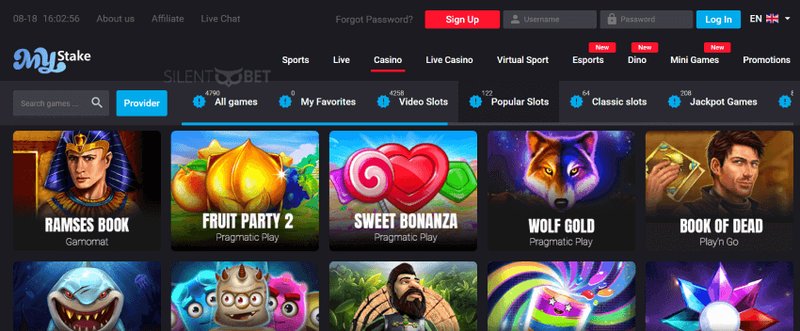
Speaking of online entertainment, the rise of cloud platforms also blurs the line with other digital pastimes. While exploring new ways to enjoy interactive media, I stumbled upon My stake, which offers a community hub for gamers looking to discuss strategies and share streaming tips.
What About Game Ownership and Longevity?
When you buy a physical disc, it lives on your shelf forever. Cloud libraries are subscription‑based, so the catalogue can change overnight. Titles like Cyberpunk 2077 vanished from a service I used last year, forcing me to switch providers. The safest approach is to keep a mix: own key games physically or digitally, and use the cloud for new releases and experiments.
Is the Experience Consistently Reliable?
Reliability hinges on three factors: internet speed, server location, and service load. UK players benefit from data centres in London, Manchester, and Dublin, cutting round‑trip time to under 30 ms for most users. However, during peak evenings, I saw occasional frame drops to 45 fps on a popular battle‑royale title. Switching to a less crowded server region restored smoothness within minutes.
Overall, cloud gaming reshapes how we think about hardware, cost, and social play. It isn’t a perfect replacement for every scenario, but for many UK gamers it offers a flexible, low‑entry way to stay current. Keep an eye on your broadband plan, balance your game library, and be ready to adapt when services rotate titles. The future of play is already streaming into our living rooms.
Frequently Asked Questions
What exactly is cloud gaming?
Cloud gaming streams games from a remote server to your device, sending only controller inputs back and forth, unlike downloading or installing games locally.
How does latency affect gameplay in cloud gaming?
Low latency (under 25 ms on UK fibre) allows responsive controls for shooters and competitive titles, while higher latency can cause noticeable input lag.
Can I play games on a device without a powerful GPU using cloud gaming?
Yes, cloud gaming offloads graphics rendering to the server, so even low‑end laptops or phones can play high‑end games.
What are the cost differences between cloud gaming and buying a console?
Cloud gaming requires a subscription fee, but eliminates the upfront £300‑£500 console cost and the £1,200+ PC hardware investment.